Yoga that meets you as you are.
No forced eye contact. No required touch or hands-on adjustments. No one right way to sit still. This is yoga built around how your body and brain actually work — not the other way around.
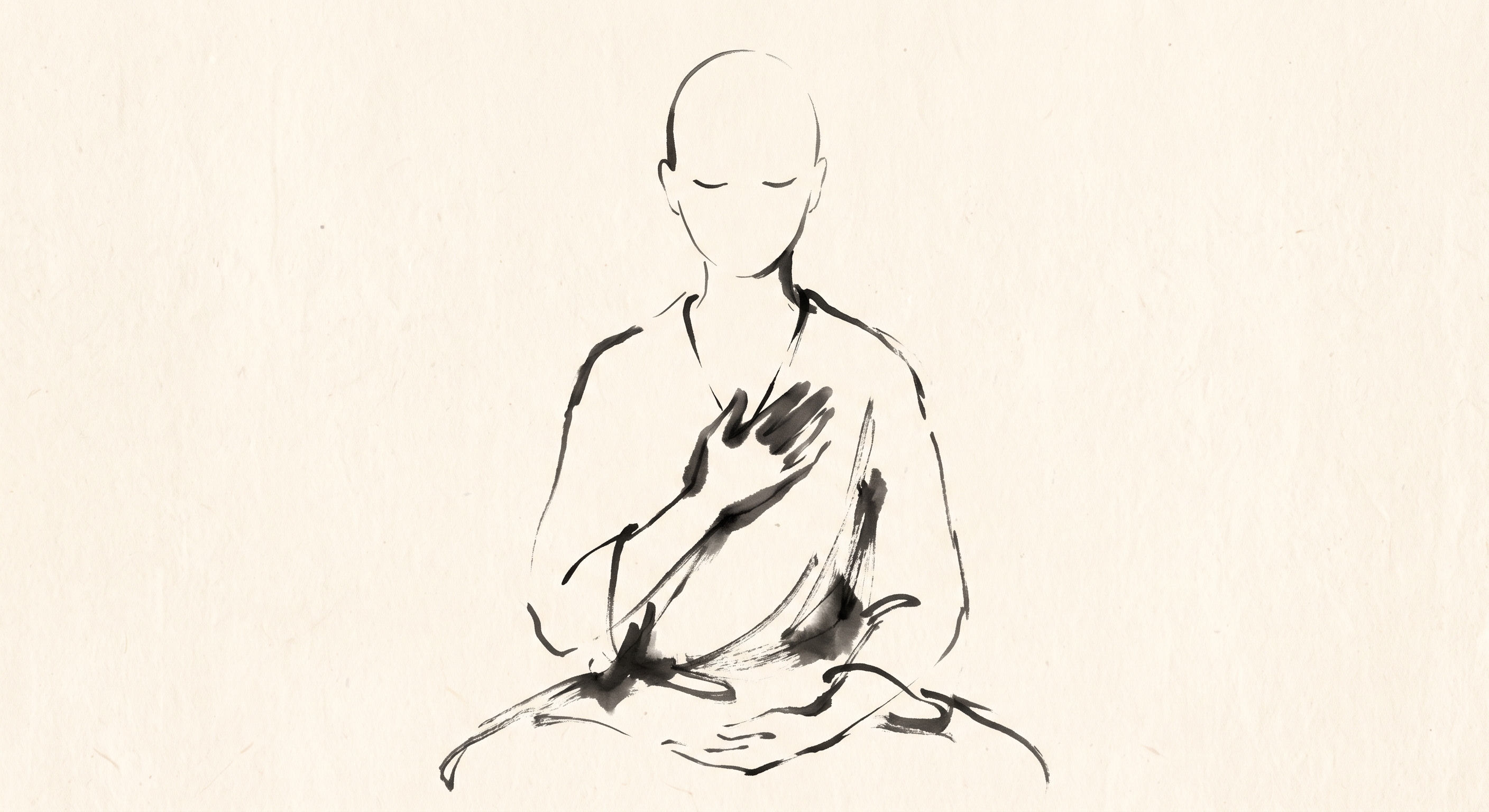
Practice, at your own pace.
Image: Spectrum Affirming Yoga — made with AI assistance
What "spectrum-affirming" actually means here
"Accessible yoga" usually means props, chairs, and adapted poses — all genuinely useful, and part of this practice too. Spectrum-affirming goes further: it means the structure of the class itself doesn't assume a neurotypical nervous system. In practice, that looks like:
Stimming is welcome
Rocking, fidgeting, humming, moving between poses your own way — none of it needs to stop for class to "count."
Touch is always opt-in
No hands-on adjustments without asking first, every time — not just the first class.
Instructions, not just demonstrations
Clear verbal cues for people who find watching-and-copying difficult, alongside visual demonstration for people who need to see it.
You can leave the room
No explanation required. The door isn't a statement about your commitment.
Lighting and sound, considered
Softer lighting where possible, no unexpected sudden sounds, and a heads-up before anything changes in the room.
Pace is flexible, always
Stay in a pose longer, skip one entirely, or rest whenever you need to — none of that is "falling behind."
Start here
Classes & Schedule
What's running, when, and how to join — in person or online.
About
Who's teaching, and why this practice exists.
The Book
Spectrum Affirming Yoga — in progress. Get updates as it comes together.
Accessibility Statement
The specific commitments behind the word "accessible" on this site.